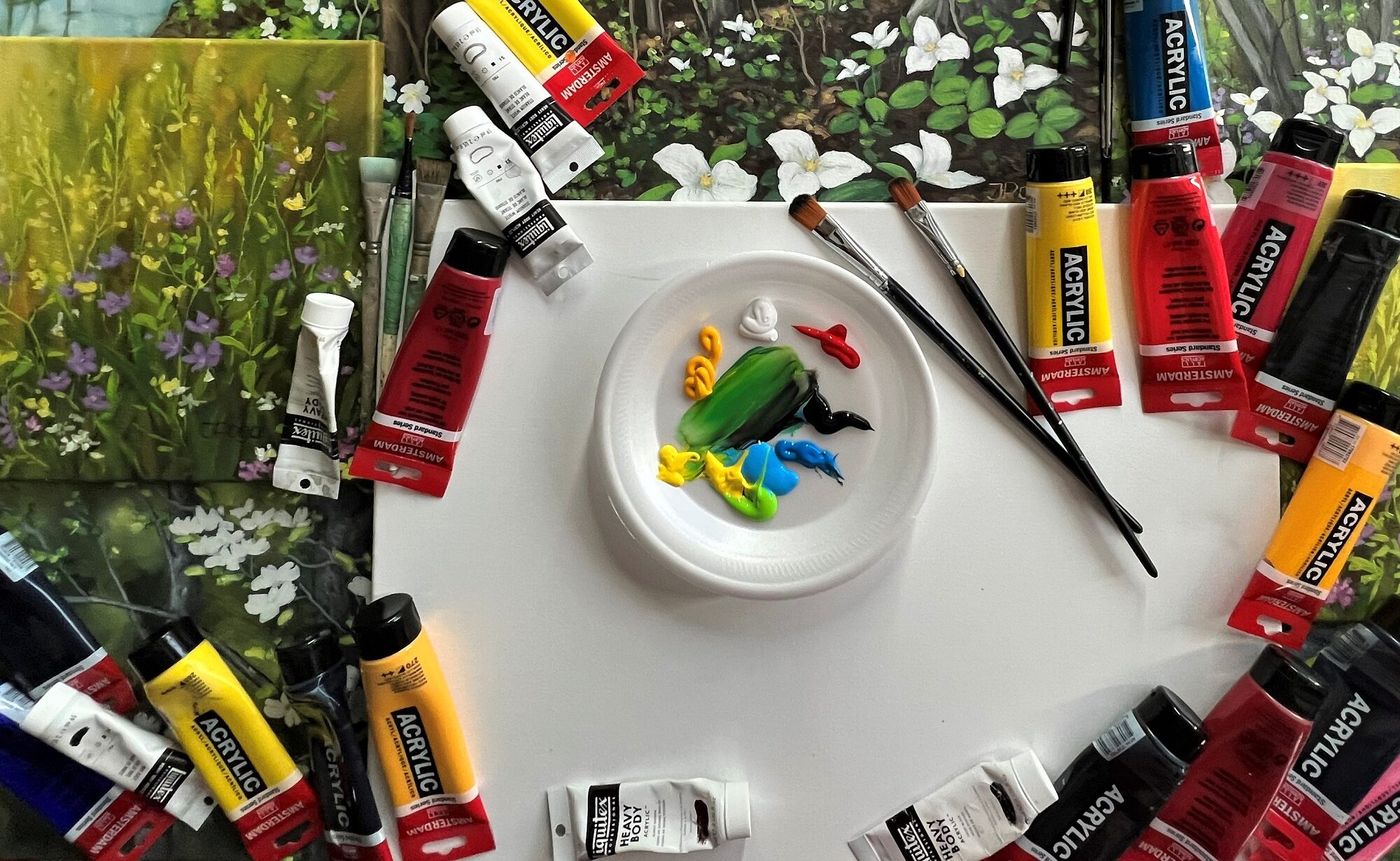
Art Therapy
Art classes are theoretically for everyone. Neither experience, nor lack of it is crucial, and age is not a limiting factor. Art classes can successfully replace useless hours in front of TV and give somebody’s life a new direction and purpose. Not to mention, that such experience makes us richer, more complete and adds another edge to our nature. This edge might be the one attracting other people to us. It is well known, that investing in ourselves always makes more sense than any other investment. The gains of learning and studying, unlike material gains, are very long-lasting, and never ending, in fact. So, we should ask: what’s stopping people from engaging in arts? While paints, brushes, paper, canvas, pencils and some additional materials can cost some money (however, we always have choice), art classes are not an expensive way of self-improvement. The student obtains skills which never expire regardless of technical progress and development.
I have been teaching, tutoring and dealing with visual arts for over two decades. This experience allows making some conclusions and observations. People sometimes don’t know what it is they actually want. Some students are pretty sure they would like to draw, or do watercolours, or acrylics, however, they are not that sure how long this interest would last.
What are the most causes of frustration or disappointment? Expectations that somebody can paint or draw like a master within one or two hours, which is a profoundly wrong assumption. Can you learn dancing, singing, playing an instrument or alike within one or two hours? You obviously cannot. The fact that everybody has seen a brush, has used a pencil or watercolour at school doesn’t make anybody skilled.
The first necessary feature is patience. Allow yourself some time before you decide to give it up since it didn’t happen during the first class.
The second important feature is persistence. Persistence and incentive. There is no bread without crust. Every intention remains only an intention without commitment.
Diligence and commitment is the third most needed feature.
However, many students don’t have much time, or at least they assume so. Here is the good news: I have classes for people who would like to do something artistic, but don’t have much time, patience, persistence and commitment.
These students can still paint and create artworks because they won’t need much skills and experience, and they might be absolutely fine without painting, drawing and art creation skills.
These classes are called “Art therapy”, and I will present more information about this type of activity in my next post.


